

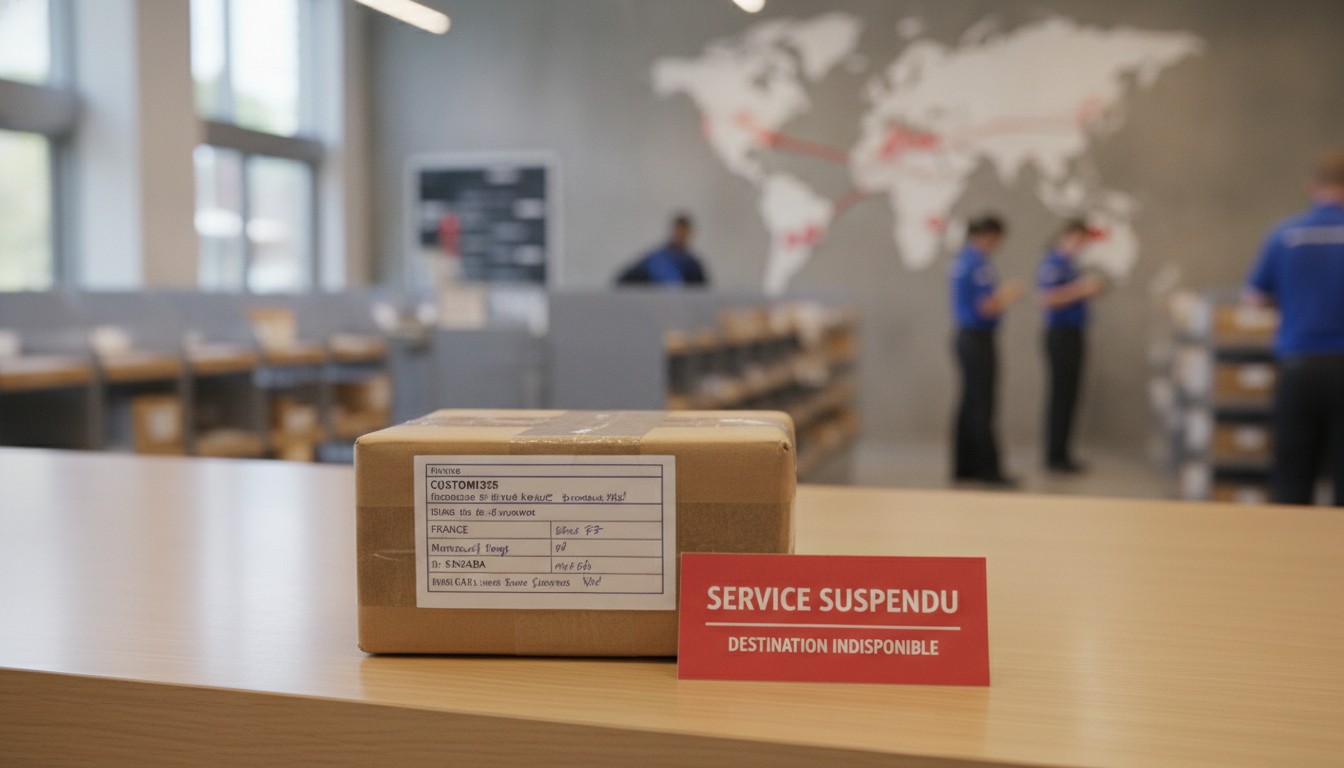
While Canadian small and medium-sized businesses are focusing all their attention on the new U.S. customs rules, a major change is brewing on the other side of the Atlantic. Effective July 1, 2026, The European Union is eliminating its €150 duty-free threshold for small packages. For any Canadian company selling to Europe, this means higher costs and more complicated paperwork.
This reform directly affects shippers who have previously benefited from the exemption on low-value shipments. According to the Council of the European Union, the measure affects approximately 93 % e-commerce flows entering the EU. In other words, almost no package will slip through the cracks.
Here’s what this regulatory shift means in practice for Canadian SMEs and individuals shipping to Europe, and how you can prepare now to protect your profit margins and ensure customer satisfaction.
What will actually change on July 1, 2026
Until now, packages worth less than €150 could enter the EU duty-free. In theory, only VAT was due. That exemption is being eliminated. From now on, Every commercial shipment is potentially subject to duties, regardless of its value.
To avoid overwhelming the system with complex rate calculations for millions of small packages, Brussels has opted for a transitional solution: a a flat-rate customs duty of €3 per item. This flat rate applies to shipments valued at less than €150 where the non-EU seller is registered with the Import One-Stop Shop (IOSS) for VAT purposes.
Be careful with the term «item.» Under the regulations, an “item” refers to goods within the same shipment that share the same tariff classification, the same description, and the same country of origin. A package containing three different categories of products may therefore result in 3 times €3, which amounts to a flat fee of €9, even if each product is worth only a few euros.
The €3 fee that could quickly rise to €5
The €3 flat fee is just the first step. The EU also plans to handling fee of approximately €2 per line of the customs declaration, expected by November 1, 2026, at the latest. Once the two measures are combined, the fixed charge could reach €5 per line item.
For an SME that ships many small parcels with low unit values, the impact is far from negligible. On a product sold for €12, a fee of €3 to €5 represents up to 40% in additional customs costs, not including VAT and shipping costs. The «small, low-cost shipment» model to Europe is becoming significantly less profitable.
This flat-rate scheme is described as temporary. It is to remain in effect until the future Customs Data Hub the EU system is fully operational (by 2028), at which point the flat rate will be replaced by duties calculated based on the full classification (HS code) and the country of origin of each product. The amounts listed above are indicative and may change depending on the final implementing regulations.
IOSS or DDP: Which Strategy Is Right for Your Small Business?
There are two approaches you can take to provide a seamless experience for your European customers while remaining compliant. The right choice depends on your volume, the value of your products, and the level of service you aim to provide.
| Criterion | IOSS (one-stop shop) | DDP (Duties and Taxes Paid) |
|---|---|---|
| Ideal for | B2C sales under €150 | All-inclusive packages« |
| VAT | Collected at the time of payment, reported monthly | Collected and then paid by the seller |
| Customs duties | A €3 fee applies | Included in the price paid by the customer |
| Registration | A single EU country for the entire market | Depending on the carrier and the service |
| Customer experience | No unpleasant surprises upon delivery | No fees charged upon check-in |
In summary, the’IOSS is often the best option for B2C orders under €150: VAT is charged at checkout and reported through a single portal, which prevents your customer from facing unexpected fees at the time of delivery. The DDP (Delivered Duty Paid) is best when you want to offer a guaranteed total cost, covering VAT, duties, customs clearance, and delivery. The two can be combined.
European VAT: a point that is often overlooked
Beyond customs duties, the VAT is due starting from the first euro on sales to EU consumers. The rate varies significantly from country to country, which affects the final price shown to your customers.
| Country | Standard VAT rate (for reference) |
|---|---|
| Luxembourg | approximately 17 % |
| Germany | approximately 19 % |
| France | approximately 20 % |
| Italy | approximately 22 % |
| Hungary | approximately 27 % |
Thanks to the IOSS, a Canadian small business only needs to register in a single EU country to cover the entire market and file a single VAT return. This is a valuable simplification given the variety of rates.
5 Tips for Stress-Free Shipping to Europe
- Sign up for IOSS If you regularly sell items online for less than €150: you’ll streamline the customs clearance process and put your customers at ease.
- Group items in the same category in a single shipment to limit the number of €3 flat-rate fees applied.
- Show an «all-inclusive» price» or clearly indicate the sales tax and duties at checkout to avoid packages being refused upon delivery.
- Take good care of your documents : detailed description, HS code (Harmonized System), actual value, and country of origin on each commercial invoice.
- Compare carriers : Not all of them handle European customs clearance and the IOSS in the same way or at the same cost.
Plan ahead to protect your margins
The end of the €150 threshold marks a turning point for transatlantic trade. Combined with the new flat-rate tax and upcoming processing fees, it makes customs preparation essential for anyone shipping to Europe. Companies that adapt their pricing, documentation, and choice of carrier now will stay one step ahead.
At Shipping Store, we help Canadian small and medium-sized businesses and individuals compare carriers, prepare compliant customs documentation, and choose between IOSS and DDP based on their specific circumstances. Contact our team or visit our store to develop a shipping strategy for Europe that protects your profit margins and ensures customer satisfaction. The amounts listed are approximate and vary depending on the service, carrier, and commercial agreement.




 French
 English
 Spanish