
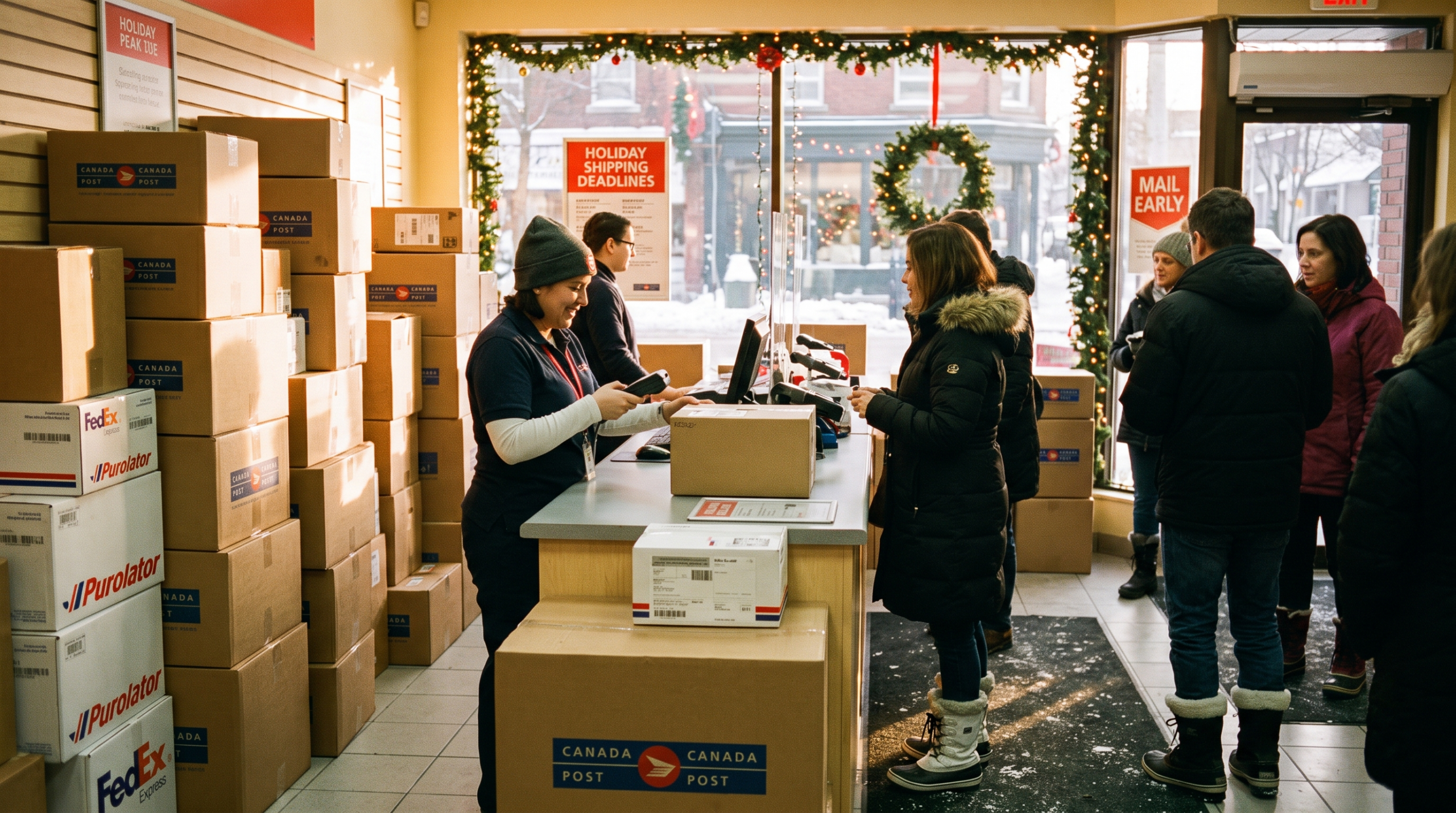
A toy is one of the trickiest items to ship. It’s light but bulky, often contains a lithium battery, and—in the customer’s eyes—its original packaging is part of the product. Plus, it’s shipped right at the time of year when carriers charge the highest rates.
For a Canadian retailer or online store, ship toys A haphazard approach means paying three times: once for volumetric weight, once for handling surcharges, and once for returns due to damaged packaging.
Here are four common pitfalls and how to avoid them before the peak season.
Pitfall 1: Bulk Density
A racetrack, a dollhouse, or a set of building blocks might weigh 2 kg, but take up the volume of an 8-kg package. Carriers charge based on whichever is greater: actual weight or volumetric weight.
The standard calculation in Canada divides the volume in cubic centimeters by a divisor set by the carrier. The practical result: a box measuring 60 × 40 × 30 cm is often billed at around 12 kg, regardless of whether it contains stuffed animals.
What works: Remove the air, not the product. Empty spaces in a toy box are often filled with crumpled paper, which adds 4 or 5 cm to each side without providing any protection. A box tailored to the product, with thin but dense padding, often lowers the shipping rate by an entire tier.
Pitfall 2: Lithium Batteries
This is the point that is most often overlooked. A video game controller, a remote-controlled car, an educational tablet, a talking stuffed animal: as soon as a lithium-ion or lithium-metal battery is involved, the shipment is subject to the rules for transporting hazardous materials.
Three situations, three treatments:
- Battery installed in the device — the simplest scenario. Labeling is required based on the battery’s size; air transport is generally permitted under certain conditions.
- Battery included with the device — stricter rules, additional documentation.
- Battery only, shipped separately — the most restrictive case. Several carriers refuse to transport goods by air and require a dangerous goods account.
Any undeclared package that is detected will be returned at the sender's expense, and carriers will impose penalties. Always declare your shipments.
Pitfall 3: Overloading and Non-Compliance with Standards
Large toys—scooters, playhouses, play structures, and children's bicycles—easily exceed the thresholds for additional handling fees. These fees are already high during the off-season and increase during peak periods.
The thresholds that trigger additional fees are generally around:
| Trigger | Typical threshold | Impact on the bill |
|---|---|---|
| Length of the longest side | About 120 cm | Additional Handling |
| Length + circumference | About 266 cm | Bulky packages |
| Actual weight | About 23 kg | Additional Handling |
| Non-rigid packaging (bag, film) | N/A. | Additional Handling |
Thresholds and estimated amounts: These vary depending on the carrier, the service, and your negotiated agreement.
This last point comes as a surprise to many retailers: shipping a toy in its retail packaging wrapped in plastic film, without an outer cardboard box, is enough to trigger the surcharge—and the item may also arrive damaged.
Pitfall 4: The original packaging is part of the gift
For a toy, the retail box isn't just a container—it's part of the product. A customer who receives the right figurine in a crushed box will still file a complaint, and they're right: the gift no longer looks presentable.
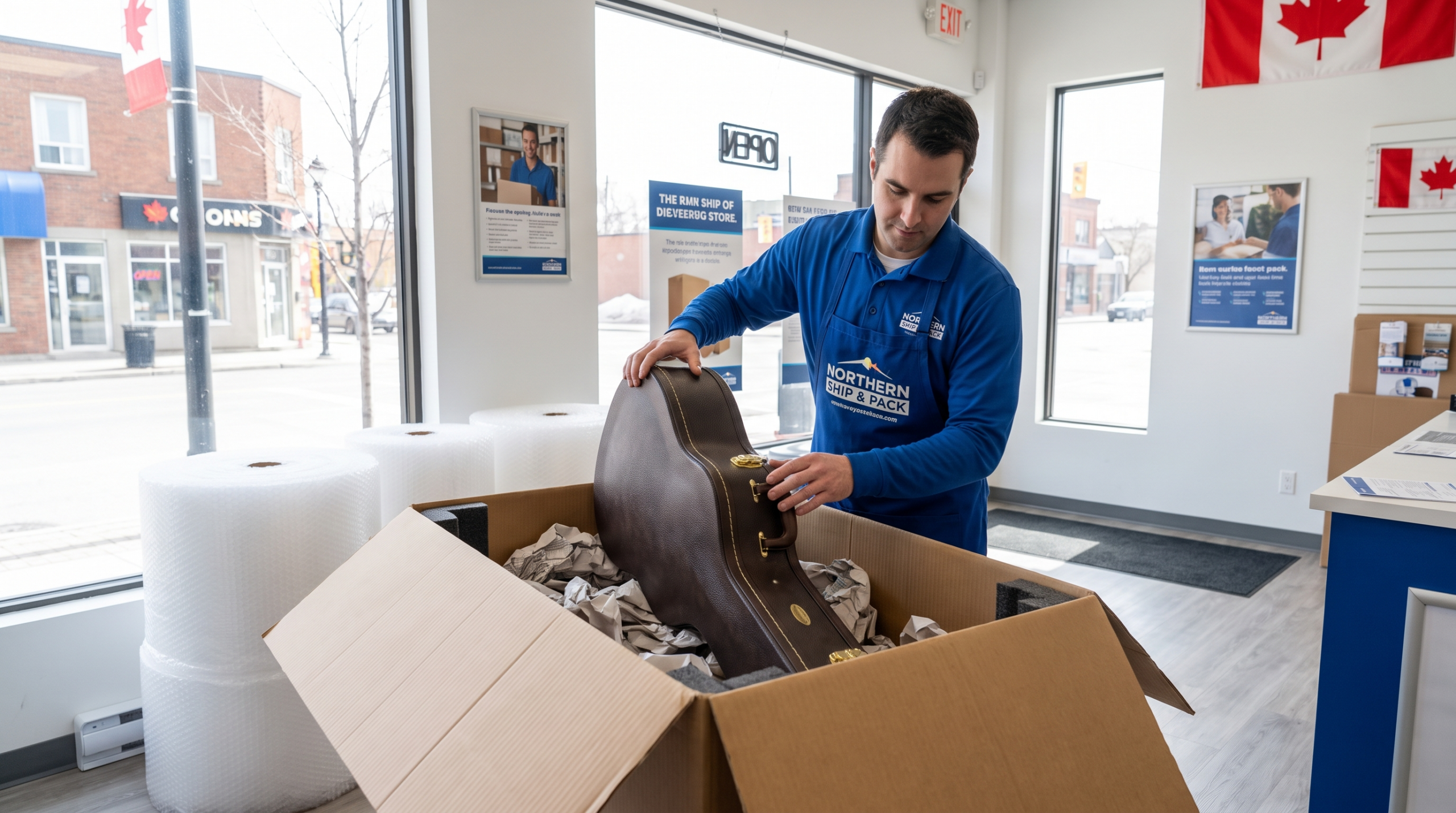
The most cost-effective method is the double-box packaging. The retail box on the inside, a shipping carton on the outside, with 4 to 5 cm of padding on all sides. This adds a little bulk, but a return rate reduced from 6 % to 1 % more than makes up for the difference.
Three steps that resolve most cases:
- Never attach a shipping label to the retail box.
- Packing tape on all three seams, in an H-shape—not a single strip.
- For anything made of molded or painted plastic, use a layer of foam instead of paper—paper tends to compress during shipping.
Comparison: The Four Types of Toys
| Type of toy | Primary constraint | Shipping Options |
|---|---|---|
| Plush toys, board games | Volumetric weight | Custom-sized box, cost-effective ground service |
| Electronic, remote-controlled | Lithium battery | MD Declaration, Labeling, Double Box |
| Scooters, bicycles, play structures | Out of the Ordinary | Compare Parcel and LTL Shipping by Pallet |
| Collectible figurines | Value and Condition of the Box | Declared value, signature, double box |
The Schedule: What's Changing Starting in Late September
The peak season has begun. Surcharges related to package characteristics—handling, bulky items, and oversize packages—are already in effect, and those related to residential delivery will be added at the end of October. In other words, the same toy costs more to ship in November than in September, even with the same service.
If you have a large amount of inventory that needs to be moved to a warehouse or retail location, doing so now rather than in November is the easiest way to avoid two waves of overloads.
Have your formats approved before the rush
At Shipping Store, we compare FedEx, UPS, Purolator, Canada Post, and DHL based on your actual package dimensions, including surcharges and dangerous goods regulations. You see the total cost, not just the advertised rate.
Get a comparative quote at expertshipping.ca and ship your toys without any unpleasant surprises.
The thresholds, fees, and amounts listed are for reference only and vary depending on the carrier, the service, the negotiated agreement, and the origin and destination. Always confirm the applicable rules—especially for lithium batteries—with your carrier.


 French
 English
 Spanish