
It’s official: door-to-door mail delivery is in its final years in Canada. As part of its sweeping transformation plan, Canada Post confirmed in the spring of 2026 that it would convert approximately 136,000 addresses spread across 13 municipalities toward community mailboxes, starting in late 2026 and early 2027. And that's just the beginning: approximately 4 million addresses Those who still receive their mail at home will be transitioned over a period of about five years.
For both individuals and small and medium-sized businesses that send and receive packages every week, this change raises practical questions: Where will my packages go? What happens if a package doesn’t fit in the compartment? Should I rethink my shipping strategy?
Here's what the switch to community mailboxes really means for your deliveries—and how to prepare for it without stress.
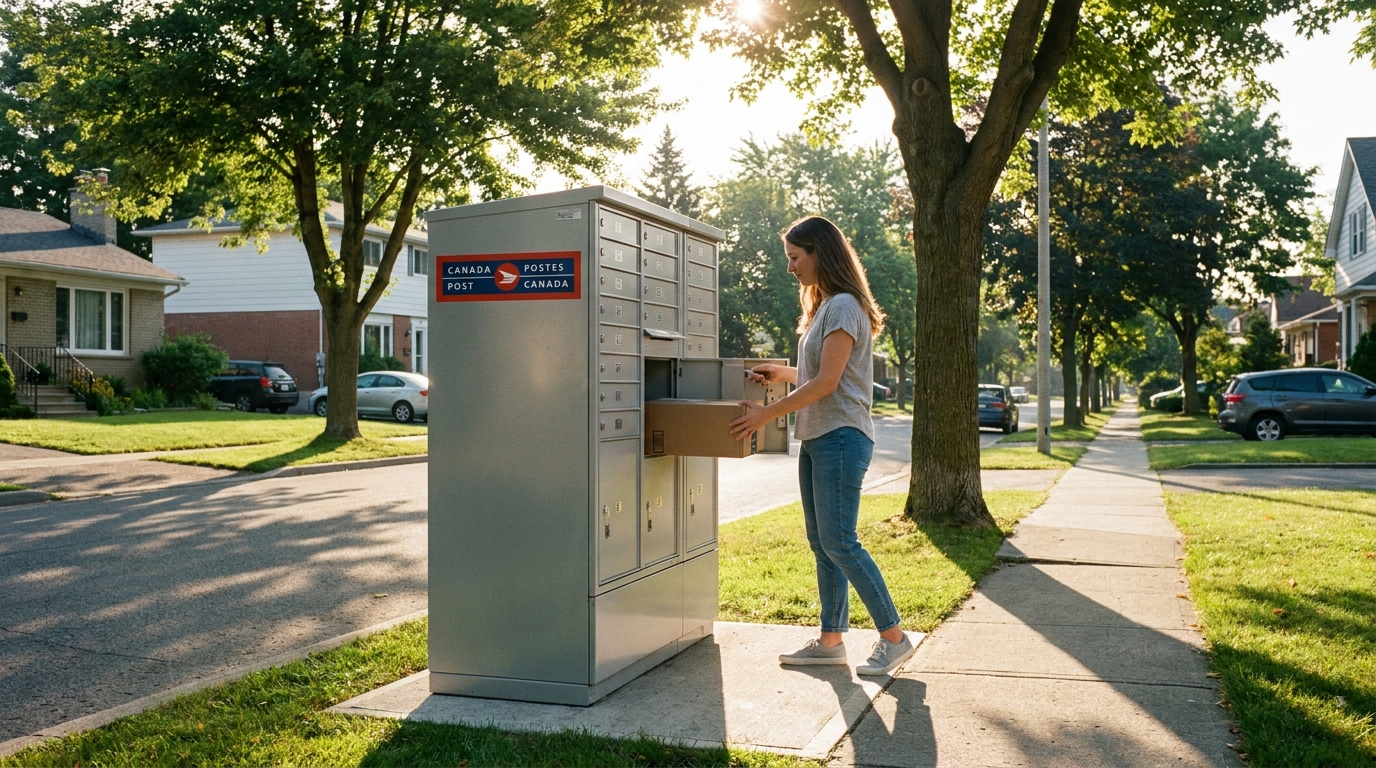
What is a community mailbox?
A community mailbox is a secure outdoor unit located just a few minutes' walk from your home. Each household has its own locked mailbox for mail, and the unit also includes dedicated, larger package compartments. When a package is waiting for you, the key to the compartment is placed in your personal locker: you can pick up your package yourself at a time that’s convenient for you.
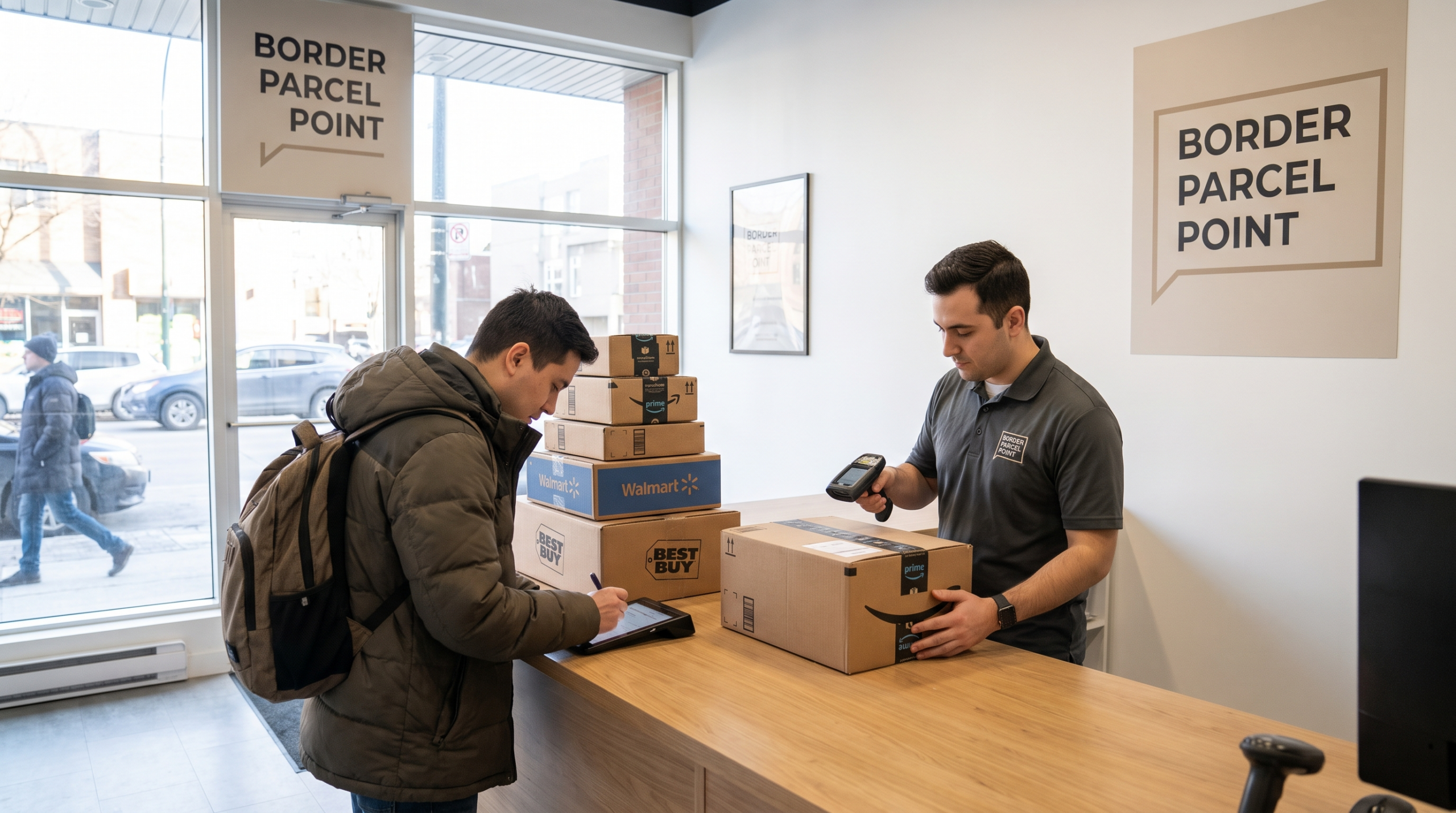
According to Canada Post, more than 80 % of packages delivered are placed in the individual locker or in a package compartment in the community mailbox. Packages that are too large, or those that require a signature, are delivered to the door or held for pickup at the nearest post office.
The 2026–2027 Schedule: Who Is Affected?
The rollout is taking place in phases. In April 2026, Canada Post announced the first phase of the transition: approximately 136,000 addresses in 13 communities will switch to community mailboxes by the end of 2026 or early 2027. In June 2026, the Crown corporation confirmed the’Expansion of the program to other municipalities by 2027.
In practical terms:
- The national program will be implemented over approximately five years, region by region; ;
- Addresses already served by community mailboxes (about half the country) will continue with their usual routines; ;
- Affected residents receive a notice prior to the conversion, indicating the location of their new mailbox; ;
- A Delivery Adjustment Program This free service assists people with limited mobility—more than 17,000 households are already benefiting from it.
How will this affect your daily packages?
For Individuals
Most small packages (clothing, accessories, common e-commerce items) will continue to be delivered near your home, to a secure locker. This is actually an advantage over the package theft : A locked compartment offers better protection than a package left on the porch. However, for bulky items—such as appliances or oversized boxes—you may sometimes need to stop by the post office.
For small and medium-sized businesses and online stores
If you sell online, your customers in the converted areas will now pick up their orders at the community pickup point. Here are three things to expect:
- Package dimensions: A compact package that fits into a compartment is delivered on the first try; an oversized package risks being rerouted to the post office counter and incurring additional delays. Optimizing the size of your boxes has never been more worthwhile—especially since volumetric weight already penalizes packages that are too large.
- Signature upon delivery: Shipments requiring a signature are not placed in the community mailbox. Reserve this option for high-value items to avoid pickups at the post office, which prolong the customer experience.
- Customer communication: Let your customers know that «delivered» may mean «placed in your secure locker.» A clear confirmation email reduces inquiries such as «Where is my package?».
Community boxes or private carriers: What are the alternatives?
The change applies only to Canada Post. Purolator, UPS, FedEx, and other private carriers continue to deliver directly to the door, which is becoming a key differentiator for certain shipments:
| Need | Recommended option |
|---|---|
| Small standard package, minimal cost | Canada Post (Community Mailbox) |
| Bulky or fragile packages to be delivered in person | Purolator, UPS, or FedEx to your home |
| Express shipping with proof of delivery | Express Service with Signature |
| Client Absent During the Day | Pickup location or secure locker |
A well-thought-out multi-carrier strategy allows you to choose the most suitable network on a shipment-by-shipment basis. The rates provided by carriers are for reference only and may vary depending on your commercial agreement and the service you select.
How to Start Preparing Now
- Check to see if your area is affected through the 2026–2027 conversions on the Canada Post website; ;
- Reduce package sizes to maximize the number of successful first-time deliveries; ;
- Always compare carriers Before each shipment: The best choice depends on the size, value, and urgency of the package; ;
- Use real-time tracking to find out exactly when the package arrives at your customer's community mailbox.
Conclusion: A Manageable Change—and Even an Opportunity
The transition to community mailboxes is the biggest change in Canada’s postal system in decades. If well-planned, it will result in safer deliveries and controlled costs. If poorly planned, it could lead to longer delivery times and an increase in in-person pickups.
At Shipping Store, we help small businesses and individuals choose the right carrier for each shipment—Canada Post, Purolator, UPS, FedEx, and more—at the best negotiated rates. Compare your shipping options today at expertshipping.ca and stay one step ahead of the postal industry's transformation.


 French
 English
 Spanish