
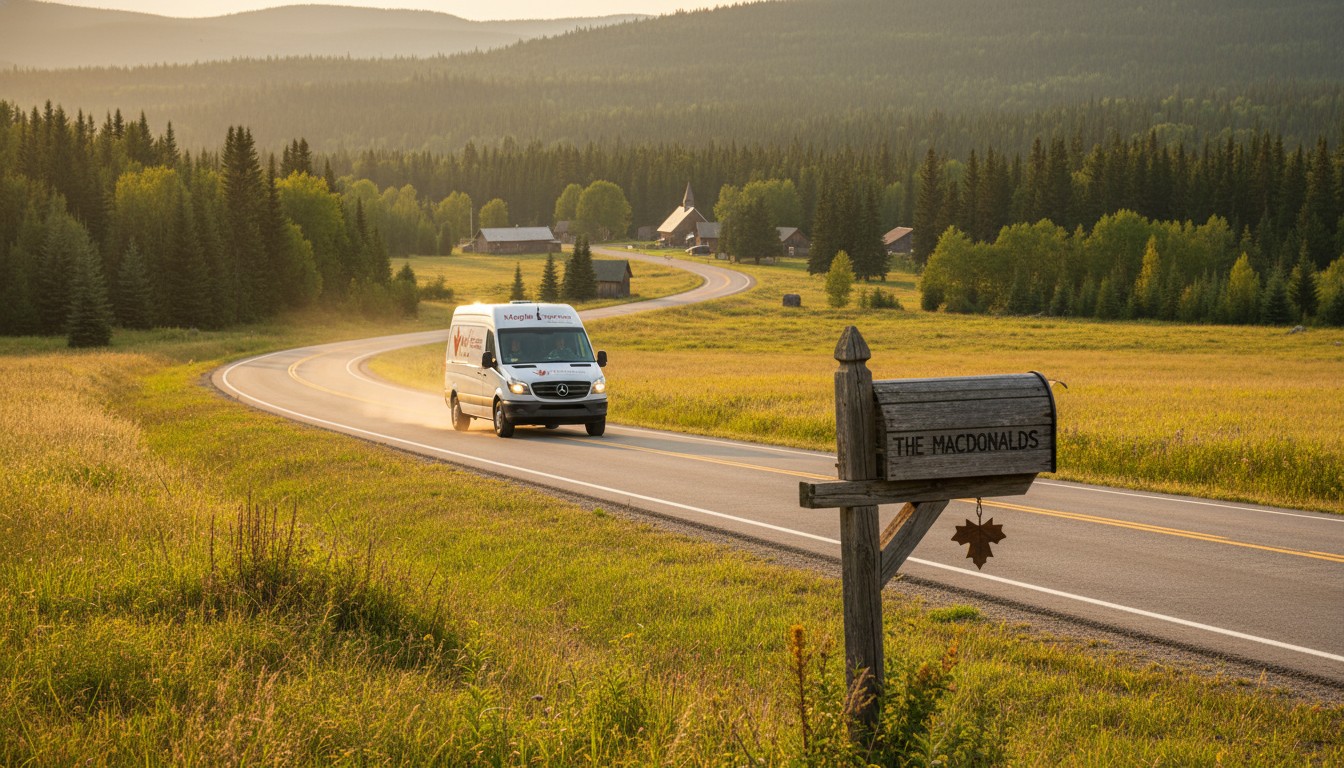
Are you shipping a package to Rouyn-Noranda, Baie-Comeau, or a town in British Columbia, and the bill is much higher than the listed rate? You’ve probably just discovered the overload in a remote area, one of the least known—and most expensive—additional costs associated with shipping in Canada.
By 2026, these surcharges had increased on average from 6.5 to 7.1 % among major carriers, and, more importantly, several ZIP codes previously considered «standard» had been reclassified as «extended» or «remote» zones . As a result, thousands of Canadian addresses now cost 5 to 15 $ more per shipment, without the sender realizing it until they receive their bill.
In this article, we break down how these surcharges work at UPS, FedEx, Purolator, and Canada Post, and we provide practical strategies to minimize their impact on your shipping costs.
What is a remote zone overload?
Remote area overload (known as Delivery Area Surcharge at UPS, Outside the Delivery Area or Remote Area Surcharge (at FedEx, and «Beyond» fees at Purolator) is a fixed amount added to the base rate when the delivery or pickup address is located outside the major urban areas served daily.
Carriers justify this by citing the actual cost of service: fewer packages per kilometer traveled, longer routes, and isolated stops. Each carrier maintains its own list of targeted ZIP codes, updated once or twice a year—and that’s where the unpleasant surprises come in: a ZIP code exempt in 2025 may be charged for in 2026.
What's changing in 2026
Three developments are having a particularly significant impact on Canadian small and medium-sized businesses this year:
- Increases greater than the general increase : While base rates rose by approximately 5.9% year-over-year at UPS and FedEx, zone surcharges increased by an average of 6.5% to 7.1% year-over-year.
- Postal code reclassifications : Suburban areas that were once classified as «standard» have been reclassified as «extended» or «remote,» adding 5 to 15 $ CA per overnight package.
- The stacking effect with fuel surcharge : The fuel surcharge (which reached 34.5 % at Purolator in the spring of 2026) is calculated based on the base rate and on certain surcharges. A 10 $ zone surcharge can therefore actually cost 13 $ or more once the fuel surcharge is applied.
2026 Comparison: How Each Carrier Bills the Region
UPS — Delivery Area Surcharge (DAS)
UPS distinguishes between three levels: extended area, remote area, and very remote area. The surcharge varies depending on the service (residential or commercial) and can range from 5 to 15 CAD per package. The list of affected ZIP codes is published in its «Extended Area Delivery» supplement, and it was expanded in 2026.
FedEx — Out-of-Delivery-Area and Remote Rural Surcharge
FedEx charges an out-of-area surcharge on its express services and, effective January 5, 2026, a specific rural surcharge on FedEx Ground shipments to a list of rural ZIP codes. As with UPS, the surcharge is applied per package, not per shipment.
Purolator — «Beyond» fees»
Purolator has the most extensive regional network: the company serves every postal code in Canada. On the other hand, its «Beyond» fees for destinations outside the main road network can increase the bill by $25 or more on certain shipments, especially once the fuel surcharge is added.
Canada Post — the exception
This is Canada Post’s structural advantage: its universal service mandate requires it to serve every address in Canada, including northern regions, without imposing a separate remote area surcharge. Zone-based pricing takes distance into account, but no fixed «rural» surcharge is added. For light packages to isolated villages, the price difference compared to private couriers can exceed 30 to 40 %. With the introduction of weekend delivery in 2026, the option becomes highly competitive again in rural areas.
The real impact on an SME: a case study with figures
Let’s take an online store in Montreal that ships 300 packages per month, 20 of which are % shipments to remote or outlying areas:
- 60 packages affected by an average overload of 8 $ = 480 $ zone surcharges per month
- A fuel surcharge of approximately 30 % applied to these charges = about 145 more $ units
- Annual total: more than 7,500 1Q-4Q exclusively for regional service costs
These figures are approximate and vary depending on the negotiated agreement, the service selected, and the carrier, but the order of magnitude clearly illustrates the issue: for an SME, the remote area surcharge is often the second-largest ancillary cost after fuel.
5 Strategies to Lower Your Bill in 2026
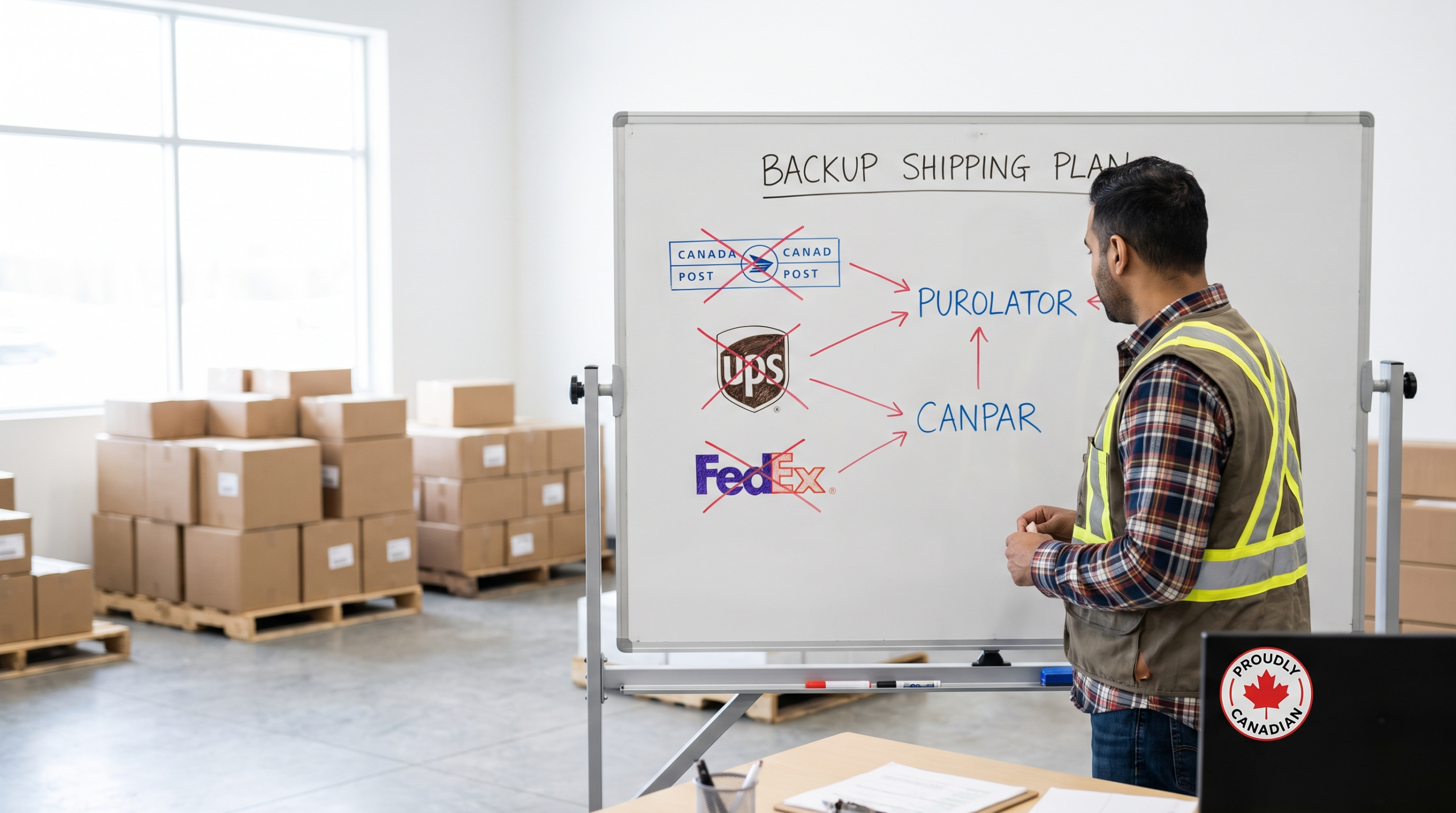
- Check the ZIP code before selecting a carrier. Each carrier publishes its own list of zones. An address classified as «remote» by UPS may be considered «standard» by Purolator, and vice versa.
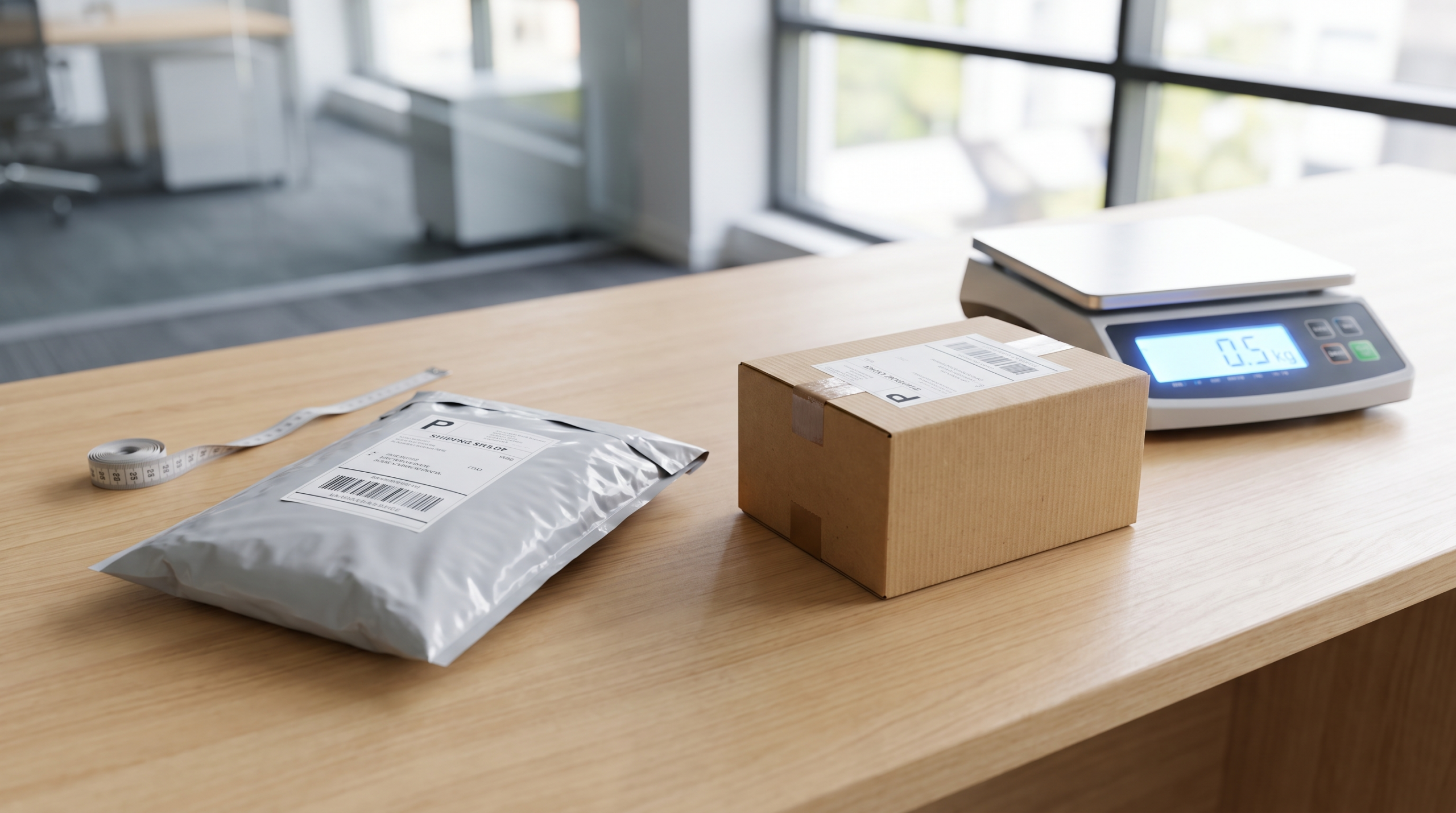
- Send your rural packages to Canada Post. For shipments weighing less than 5 kg to remote areas, the lack of a regional surcharge almost always makes this the most economical option.
- Adopt a multi-carrier strategy. Comparing three or four carriers in real time and routing each package based on its destination can reduce the average cost per shipment by 15 to 25 %.
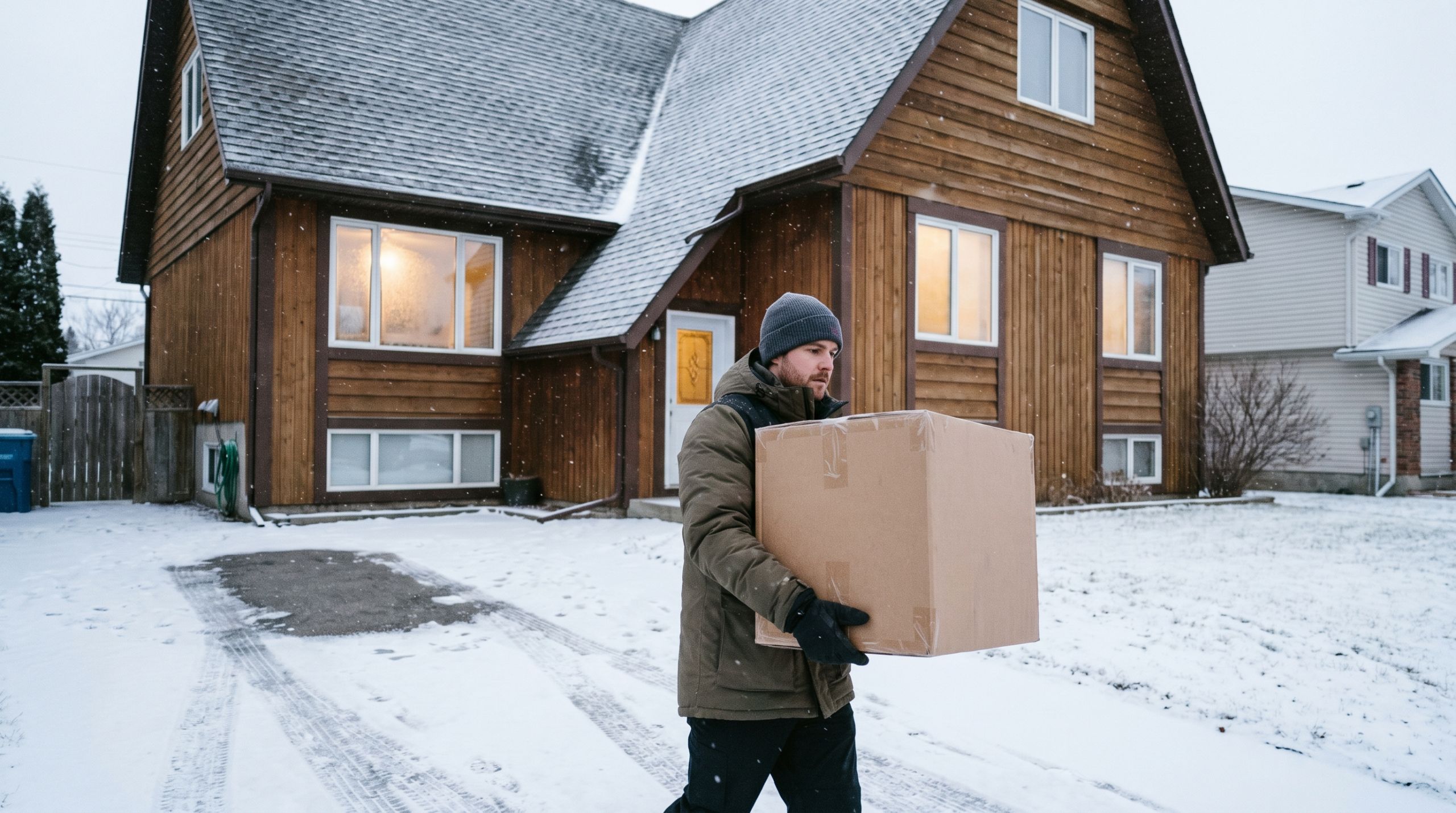
- Offer pickup at a drop-off location. Delivering to a business or a pickup location in a standard zone can sometimes completely avoid residential surcharges and zone surcharges.
- Review your invoices. The 2026 ZIP code reclassifications have caused billing errors. Please verify that the surcharges applied match the current official list.
Conclusion: Location should not be a disadvantage
With the 2026 rate increases and the accumulation of fuel surcharges, shipping to Canadian regions is more expensive than ever—but this cost doesn’t have to be inevitable. The smart move: systematically compare carriers for each destination rather than sending all your packages through the same service.
That's exactly what Shipping Store For you: We compare rates from Canada Post, Purolator, UPS, FedEx, and DHL in real time—surcharges included—so every package is shipped at the best price, whether it’s headed to downtown Toronto or a village on the North Shore. Get a free quote today at expertshipping.ca.
The fare figures listed are approximate and vary depending on the agreement, service, and travel period. Please consult the carriers’ official fare guides for exact amounts.
 French
  English
  Spanish