
A bottle of wine given to a customer, a case of spirits sent to a loved one in another province, a microbrewery that wants to deliver directly to consumers: Shipping Alcohol to Canada It sounds simple, but it’s one of the most heavily regulated types of shipments in the country. In 2026, what you’re allowed to ship depends on the carrier, the province of origin, the province of destination, and the product’s alcohol content.
For a small business or an individual, a mistake can be costly: a package refused at the counter, seized in transit, returned to the sender, or a fine from the provincial regulatory agency. This guide provides an overview of the current rules for shipping wine, beer, and spirits legally and without any unpleasant surprises.
Note: The thresholds and amounts listed below are for reference only and may vary depending on the agreement, the service selected, and the province. Always check with the carrier and the relevant regulatory authority before shipping.
Why Alcohol Is a Special Case
In Canada, alcohol is not a commodity like any other. Its sale, distribution, and often its importation are regulated by each province or territory through its regulatory body: the SAQ In Quebec, the LCBO In Ontario, the BCLDB; in British Columbia, the AGLC; in Alberta, and so on. These agencies have a virtual monopoly on the distribution of alcoholic beverages within their respective jurisdictions.
Practical implication: A carrier does not decide on its own whether it can deliver your case of wine. It applies both its own terms and conditions and the regulations of the province in question. A shipment that is perfectly legal from one province to another may be prohibited in the opposite direction.
What Carriers Will Accept in 2026
Canada Post
Canada Post accepts alcohol by mail under strict conditions: the alcohol content must be 24 % or less per volume, and the shipment must be addressed to a licensed distiller or an organization authorized by the regulatory agency of the destination province. In other words, a private individual cannot simply mail a bottle of spirits to a friend: mailing is reserved for regulated shipments.
Private carriers (UPS, FedEx, Purolator)
Private couriers transport alcohol, but generally only for licensed or approved shippers that have a specific agreement (wineries, distilleries, authorized importers). Shipping alcohol between individuals is, in most cases, prohibited by their terms of service. For cross-border shipments, a package sent under a traveler’s personal exemption cannot contain no alcohol or tobacco.
Shipping wine from one province to another
Federal regulations permit the interprovincial shipment of alcoholic beverages to an individual for their personal use, subject to certain conditions: products containing up to 70 % of alcohol by volume, transported by land or air, and containers of 5 liters or less. However, each province then sets its own quantity limits and requirements—some are lenient, while others are very restrictive. Before shipping to another province, check the rules of the destination province’s regulatory authority.
Importing Alcohol into Canada
Commercial imports of alcoholic beverages are subject to even stricter rules. Commercial shipments of alcohol cannot go through the Low-Value Courier Shipping Program (EFVM/CLVS). They must be reported and recorded through normal business processes and are generally submitted to the provincial liquor control board (such as the LCBO or the SAQ), where the product is registered and, in some cases, analyzed in a laboratory. For small and medium-sized businesses (SMEs) that want to import wine, going through an agent and the regulatory body’s program is not an option—it is the rule.
Packaging and Compliance: How to Avoid Having Your Package Rejected
Even when a package is allowed to be shipped, poor packaging is enough to get it rejected. Here are a few guidelines:
| To Do | Things to Avoid |
|---|---|
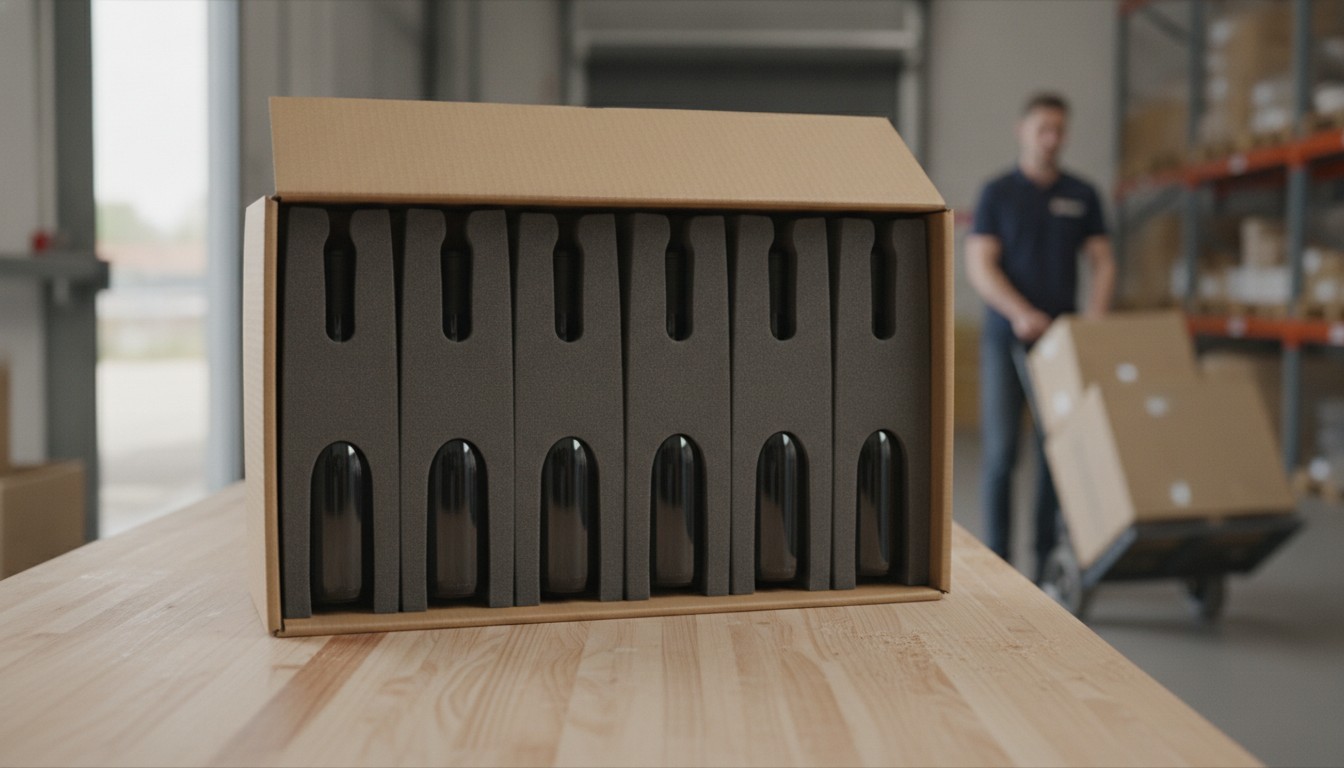
| Secure each bottle with dividers and absorbent material | Packing bare bottles that clink against each other |
| Use a rigid box designed for transporting bottles | Reusing a worn-out or oversized box |
| An adult's signature is required upon delivery | Leave the package for delivery without verifying the recipient's age |
| Attach the required documents (license, invoice, statement) | Hide the nature of the contents from the carrier |
Visit Age verification upon delivery is often required: be sure to select the “adult signature required” option; otherwise, the package may be returned. The absorbent material is not a minor detail: a leak will contaminate other packages and result in the shipment being discarded.
Pre-Shipment Checklist
- The product: What is its alcohol content? Below 24 %, more options become available; above that, the rules get stricter.
- The route: Intraprovincial, interprovincial, or cross-border? Each case has its own rules.
- Status: Are you a private individual or a licensed shipper? Many options are available only to license holders.
- To: Is he authorized to receive the package in his province, and will an adult be present?
- The carrier: Does his service contract allow for this type of shipment to that destination?
Conclusion
Shipping alcohol to Canada in 2026 is still possible, but requires compliance with three sets of regulations: those of the carrier, those of the province of origin, and those of the province of destination. The best way to protect against a package being refused or seized is to verify each shipment before to ship it rather than later.
Do you want to ship wine, beer, or spirits without the risk of having your shipment rejected? Contact Expert Shipping : We help small and medium-sized businesses and individuals across Canada choose the right service, carrier, and packaging for their sensitive shipments.




 French
 English
 Spanish