
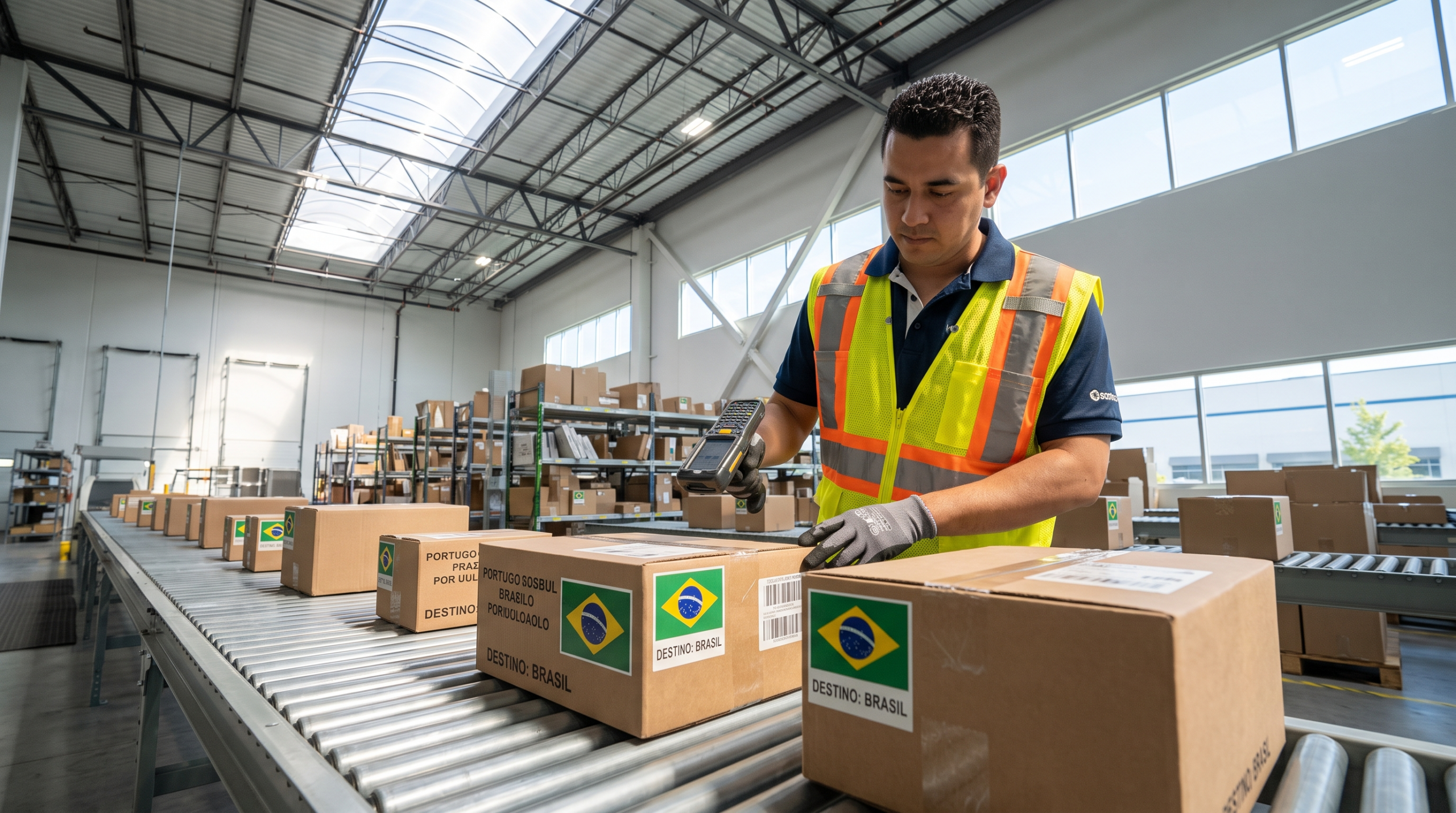
Brazil is Latin America’s largest consumer market, but it is also one of the destinations least understood by Canadian shippers. A 200 $ package sent from Montreal to São Paulo may arrive with a customs bill exceeding 130 $—payable by the recipient, often at the time of delivery.
The good news is that Brazilian regulations are predictable. Since the program was launched Certified Copy, the calculation of taxes on international packages follows a clear schedule. If you know which category your shipment falls into, you can tell your customer the actual cost before they even click «Buy.».
This guide explains how to ship to Brazil from Canada in 2026: tax thresholds, provincial ICMS, required documents, available carriers, and common mistakes that can cause a package to be held up for weeks.
Brazil's Two Tax Brackets
Brazil does not use a traditional de minimis threshold like Canada or the United States. Virtually all commercial packages are taxed—the only question is at what rate.
For shipments processed under the Remessa Conforme program (the certified platforms and carriers program), the base rate schedule is as follows:
- Packages up to 50 USD : federal import tax of 20 % based on the value of the goods, shipping, and insurance.
- Packages costing more than 50 USD : federal import tax of 60 %, with a flat-rate discount applied to the calculation.
- In both cases : the’ICMS, the destination state's sales tax is added on top—generally ranging from 17 % to 20 %, depending on the state.
The ICMS is calculated based on the total amount, including the federal tax, which creates a cascade effect. This is why the actual effective rate almost always exceeds the intuitive estimate.
Sample Estimated Calculation
| Element | Package for $40 | Package worth $200 |
|---|---|---|
| Value of goods + shipping | 40 USD | 200 USD |
| Federal Import Tax | 20 % → 8 USD | 60 % (minus discount) → ~100 USD |
| Subtotal | 48 USD | ~300 USD |
| ICMS (~17 %, in cascade) | ~$9.80 | ~61 USD |
| Total cost to the recipient | ~58 USD | ~361 USD |
These amounts are indicative. The ICMS rate varies by state, the federal flat-rate reduction changes, and each carrier charges its own customs clearance fees on top of that. Always verify the calculation with your carrier before confirming a price with a customer.
Certified Delivery: Why It Makes All the Difference
The Remessa Conforme program allows a seller or a certified platform to collect taxes in advance, at the time of purchase. The package then arrives in Brazil with payment already processed, and it clears customs through an expedited process.
In practical terms, the differences for a Canadian shipper are significant:
- Customs Clearance Timeframe : a few days instead of several weeks waiting in a customs warehouse.
- Rejection Rate : much lower, because the recipient isn't caught off guard by an unexpected bill.
- Returns : Fewer items, so you'll pay less for round-trip shipping costs.
If you regularly sell to Brazil, using a platform or logistics partner that is already Remessa Conforme-certified is almost always more cost-effective than shipping «cold» and letting the customer handle customs.
Which carriers operate flights from Canada?
| Option | Estimated timeframe | Key feature | Weakness |
|---|---|---|---|
| Canada Post (International) | 2 to 6 weeks | The cheapest option for small packages | Limited tracking, slow customs clearance |
| DHL Express | 4 to 7 business days | Best Customs Network in Brazil | High prices, numerous surcharges |
| FedEx International | 5 to 9 business days | Good coverage in major cities | Brokerage Fees to Watch Out For |
| UPS Worldwide | 5 to 9 business days | Robust Digital Documentation | Uneven coverage outside major cities |
For a light, non-urgent package, the postal service remains unbeatable in terms of price. For any high-value shipment, an express service with integrated customs clearance prevents delays that end up costing much more than the initial savings.
Documents You Should Never Rush Through
Brazil has strict documentation requirements. Three factors account for the vast majority of processing delays:
- The recipient's CPF number. This is the Brazilian tax identification number. Without it, a package addressed to an individual simply cannot be cleared through customs. For a business, it is the CNPJ.
- Description of the merchandise. «Clothing» or «items» isn't enough. Write «2 men's cotton sweaters, size M» along with the corresponding HS code.
- The declared value is accurate. Under-declaring is a classic temptation—and the number one cause of seizures, fines, and destruction. Brazilian authorities compare the declared value to market prices.
Restricted Goods
Certain categories require authorization from ANVISA (the health agency) or other agencies: cosmetics, dietary supplements, medical devices, and food. A package containing these products without prior authorization will be held and then returned or destroyed at the sender’s expense.
Five Ways to Lower Your Bill
- Stay below the $50 threshold whenever possible. The difference between 20 % and 60 % is enormous. Splitting a $90 order into two separate shipments may end up being cheaper overall, including shipping.
- Display the landed cost at the time of purchase. A customer who knows the total amount before paying rarely refuses delivery.
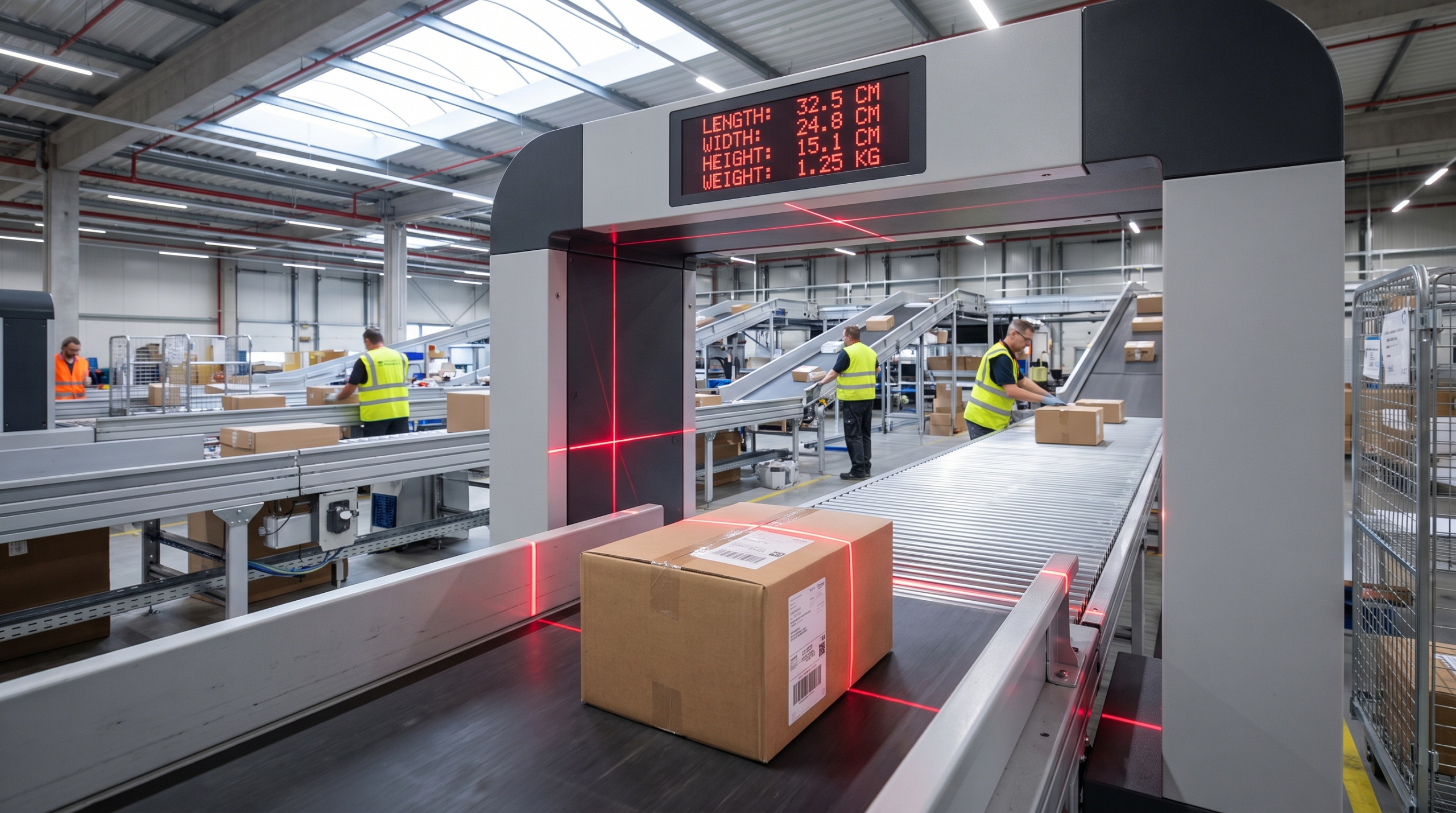
- Optimize the volumetric weight. On long-haul flights, volume often costs more than weight. A properly packed box can reduce the fare by 20 % to 30 %.
- Group shipments from the same customer. Two packages mean two customs clearances, two brokerage fees, and twice the risk of delays.
- Always compare carriers. The price difference between the cheapest and most expensive options for the same shipment from Canada to Brazil frequently exceeds 40 %.
How much time should I allow?
In addition to transit time, factor in customs clearance time, which is the most unpredictable variable. A «Remessa Conforme» package usually clears customs within a few days. An “ordinary” package may be held up for two to four weeks at a customs center, especially during periods of high demand.
If you promise a customer a deadline, always build in a buffer of at least one week for the Brazilian leg of the trip.
In a nutshell
Shipping to Brazil from Canada isn’t complicated—it’s just expensive if you don’t prepare the paperwork properly. Keep three things in mind: the $50 threshold separates two tax worlds, the recipient’s CPF is non-negotiable, and the ICMS is always added on top of the federal tax.
At Shipping Store, we help Canadian small and medium-sized businesses and individuals compare carriers, prepare customs documentation, and reduce the actual cost of each international shipment. Get a quote for your next shipment to Brazil and know exactly what your customer will pay upon arrival.
The rates and amounts listed are for reference only and vary depending on the destination state, the carrier, the service selected, and the applicable rate agreement.


 French
 English
 Spanish